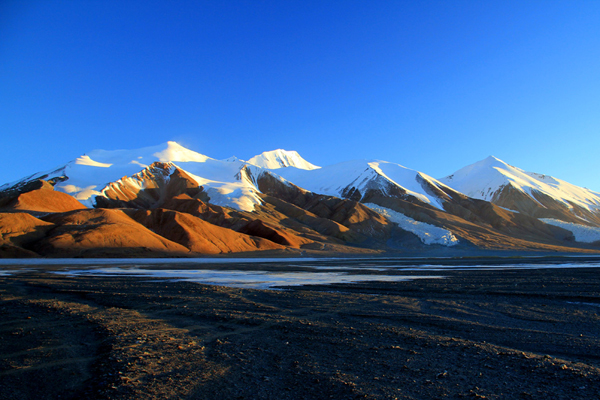
Qinghai Hoh Xil
Introduction
Qinghai Hoh Xil is a mesmerizing natural site located on the north-eastern fringes of the Qinghai-Tibet Plateau. This area is part of the largest and highest plateau in the world and is characterized by its formidable alpine mountains and expansive steppe systems. Situated at an average elevation of over 4,600 meters above sea level, Hoh Xil is a place where the climate remains predominantly sub-zero throughout the year, creating an environment that is both challenging and unique. Its name, “Hoh Xil,” translates to "beautiful girl" or “blue mountain” in Mongolian, reflecting its awe-inspiring natural beauty. In July 2017, Qinghai Hoh Xil was officially inscribed on the World Natural Heritage List by UNESCO, recognizing its significant ecological and conservational value.
Geographical Overview
Hoh Xil, as China's largest uninhabited area, covers a vast expanse of 45,000 square kilometers on the Qinghai-Tibet Plateau. Its geography is defined by its position as a major headwater source of the Yangtze River, with the region's remaining parts being endorheic, draining into several isolated lakes. This region’s isolation and harsh weather conditions make it an inhospitable place for human habitation, yet it serves as a sanctuary for an array of wildlife. The area is home to over 230 species of wild animals, including the endangered Tibetan antelope, which utilize several migration routes that traverse the reserve. Hoh Xil's landscape is a striking mosaic of soaring peaks, sweeping grasslands, and crystal-clear lakes, providing a dramatic backdrop to its ecological diversity.
Biodiversity
Flora
Hoh Xil's unique geographical and climatic conditions have resulted in a rich tapestry of flora that is largely endemic to the Qinghai-Tibet Plateau. More than one-third of the plant species found in Hoh Xil are unique to this region. The extreme altitude and cold climate have shaped a plant community that is both resilient and diverse. The flora of Hoh Xil has adapted to survive in one of the harshest climates on Earth, thriving in high-altitude meadows and alpine steppes where they must endure long, cold winters and a short growing season.
Fauna
The fauna of Hoh Xil is as remarkable as its flora, with a host of unique species that have also evolved to thrive in this extreme environment. The reserve serves as a haven for over 230 species of wild animals, including some of the world's rarest and most endangered species. Among the notable inhabitants are the Tibetan antelope, wild yaks, wild donkeys, white-lip deer, and brown bears. These species are well adapted to the harsh conditions, with each playing a critical role in maintaining the ecological balance of the region.
Endangered Species
A particularly significant aspect of Hoh Xil's biodiversity is its role as a critical sanctuary for endangered species. The Tibetan antelope, known for its spectacular migratory behavior, is perhaps the most iconic of these species. Once numbering less than 20,000 due to rampant poaching, the population has rebounded to over 60,000 thanks to concerted conservation efforts. The Tibetan antelope is now a focal point of conservation in Hoh Xil, with its migratory routes fully encompassed within the protected area, ensuring its survival and facilitating ongoing ecological research.
Conservation Efforts
Protection Measures
Conservation efforts in Hoh Xil have been substantial, focusing on the protection of its unique ecosystems and the endangered species that inhabit them. The establishment of Hoh Xil as a national nature reserve in 1997 marked a significant step towards preserving the area's ecological integrity. Special organizations and administrative bodies have been formed to oversee conservation activities, including the implementation of patrols to combat poaching and illegal activities. The reserve is divided into core and buffer zones, with stringent protection measures in place to safeguard its biodiversity.
International Recognition
The international recognition of Hoh Xil as a UNESCO World Heritage site in 2017 has bolstered conservation efforts by elevating its status on the global stage. This designation underscores the area's ecological importance and provides a framework for enhanced protection and management practices that adhere to the high standards set by the World Heritage Convention. The recognition also facilitates global cooperation on conservation and scientific research, offering opportunities to further understand and preserve the unique natural heritage of Hoh Xil.
Tourism
Tourism in Hoh Xil offers visitors a chance to experience its breathtaking landscapes and unique biodiversity. The remote wilderness of the reserve, with its stunning vistas of snow-capped mountains, vast grasslands, and pristine lakes, is a draw for nature enthusiasts and adventurers. Key attractions include observing the migratory patterns of the Tibetan antelope, exploring the diverse ecosystems, and engaging with the cultural heritage of the region.
While the allure of Hoh Xil's natural beauty is undeniable, accessibility remains a challenge due to its remoteness and harsh climate. However, recent developments such as improved communication networks and infrastructure enhancements are making it increasingly feasible for tourists to visit. Accessibility improvements aim to provide safer and more sustainable ways for visitors to experience the reserve without compromising its ecological integrity.
Challenges and Threats
Hoh Xil faces several environmental challenges, including the impacts of climate change, which threaten its delicate ecosystems. Changes in precipitation patterns and temperatures can disrupt the habitats of many species, leading to potential shifts in biodiversity. Efforts to monitor and mitigate these impacts are critical to ensuring the long-term preservation of the reserve's natural environment.
Although Hoh Xil is mostly devoid of human presence, the influence of human activities still needs to be taken into account. The risk of human-made disruptions continues to exist, underscoring the need for continuous monitoring and conservation measures to uphold the ecological equilibrium and safeguard against the deterioration of this invaluable natural sanctuary.








